

Story

A Beginning in the Village
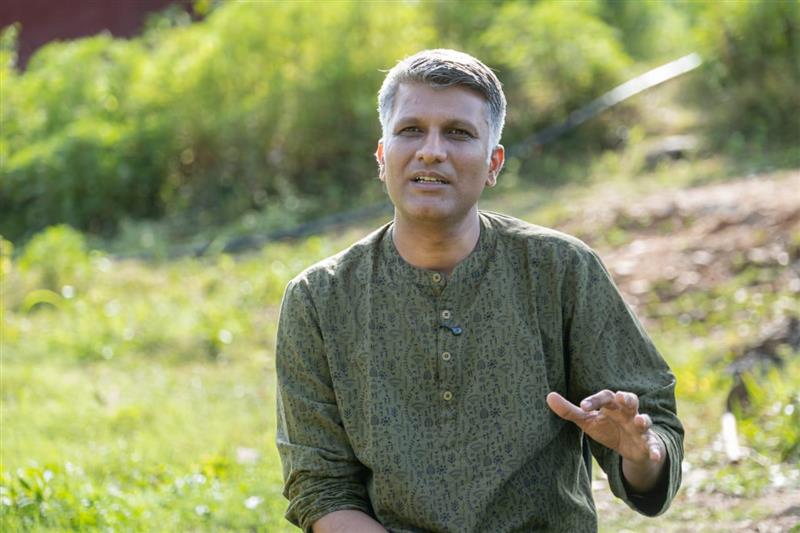
In 2011, Rohit Jain visited a small village in Gujarat to support children’s education. What he discovered there stayed with him — food that was pure, fresh, and deeply nourishing. The taste came from traditional farming methods, practiced with patience and respect for nature. Yet, the farmers behind this food were struggling to survive in a system driven by mass production. This contrast became the seed of Banyan Roots.
Farmer Stories
Stories of farmers who grow with care, lead with values, and strengthen their communities through sustainable practices.
Gulab Singh
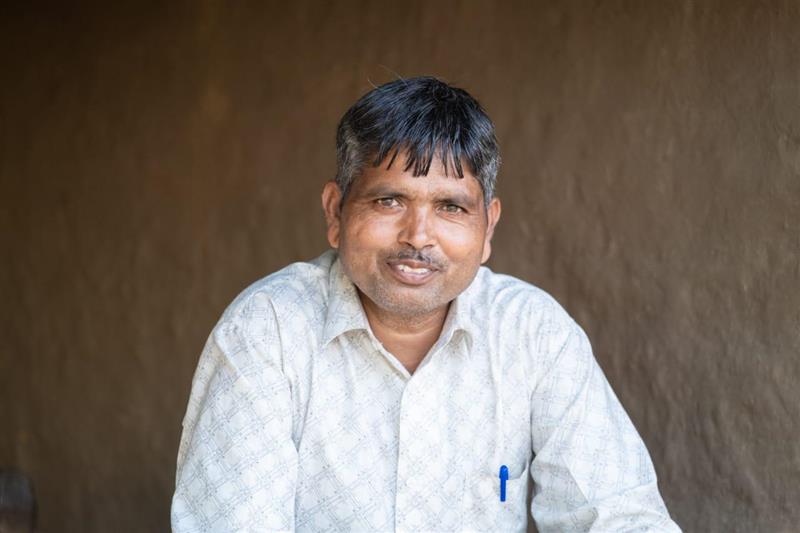
Gulab Singh, a dedicated farmer from Bansiwada village in Jhadol, has been associated with Banyan Roots for over 12 years. His fields reflect diversity and resilience—mung, peanut, ragi, wheat, and Bengal gram—grown with care, patience, and a deep respect for the soil. What truly sets Gulab Singh apart is not only what he grows, but how he leads. Over the years, his journey from a committed cultivator to a passionate trainer and community leader has inspired many farmers around him. Learning through practice and experience, he embraced sustainable farming methods and gradually became a guiding force for others seeking a better, more dignified livelihood from agriculture. Gulab Singh has played a pivotal role in building and mentoring women grower groups, helping women farmers gain confidence, technical knowledge, and collective strength. Today, he actively trains fellow farmers, shares practical insights from his own land, and encourages collaboration over competition. His story reflects the spirit of partnership that Banyan Roots believes in—long-term relationships, shared learning, and farmer-led transformation. Gulab Singh stands as a powerful example of how farming, when rooted in values and community, can become a force for positive change.
Bansi Lal Bhagora
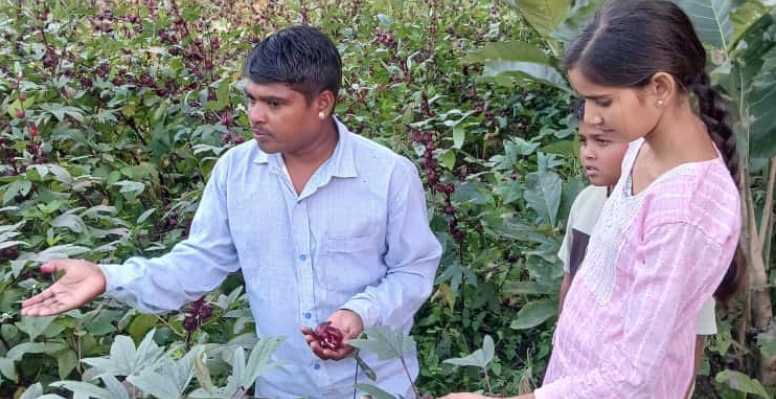
Bansi Lal Bhagora hails from Birothi village in the Jhadol region, an area deeply connected with forests and traditional tribal livelihoods. His association with Banyan Roots began four years ago through the Tribal Fellowship Program, which marked a significant shift in his farming journey. As part of the fellowship, Bansi Lal received six months of hands-on training in sustainable agriculture, crop planning, and field coordination. This training not only strengthened his own farming practices but also prepared him for a larger role within the farmer community. Today, he cultivates mung, roselle, and wheat, combining traditional wisdom with improved organic methods. Beyond his fields, Bansi Lal is a key member of the farmer monitoring team, supporting and guiding farmers across the Jhadol area to ensure quality practices and smooth coordination on the ground. An added strength he brings is his deep knowledge of forest ecosystems and forest produce. With years of experience working in and around forests, he helps Banyan Roots identify, collect, and responsibly source forest produce, while ensuring respect for nature and local regulations. Bansi Lal’s journey—from a fellowship trainee to a trusted field leader and forest expert—beautifully reflects Banyan Roots’ belief in building local leadership, valuing indigenous knowledge, and creating sustainable livelihoods rooted in community and nature.
Farmer Stories
Stories of farmers who grow with care, lead with values, and strengthen their communities through sustainable practices.
Gulab Singh
Bansi Lal Bhagora


Hom Singh
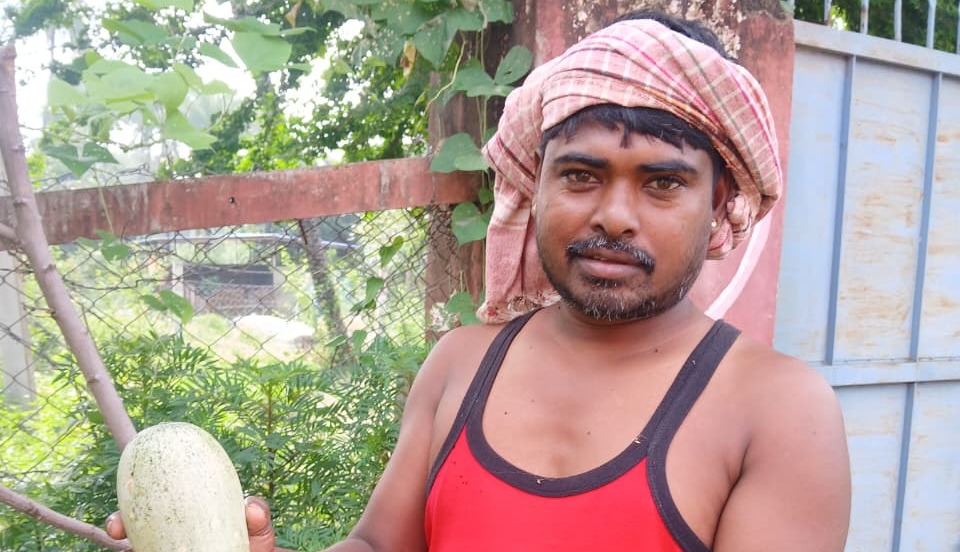
Hom Singh comes from Dabla village in the Jhadol region, carrying with him the old wisdom of tribal farming—knowledge passed down through generations and shaped by close observation of nature. He has been working with Banyan Roots for the past six years, contributing not only produce but also perspective.
On his fields, Hom Singh grows ragi, roselle, and wheat, relying on traditional practices, natural cycles, and a deep understanding of soil and climate. For him, farming is not just about yield; it is a way of life rooted in patience, acceptance, and balance.
What makes Hom Singh truly special is his unshakable optimism. Even when crops are damaged due to weather or other challenges, he remains calm, cheerful, and always smiling. He believes that nature has its own rhythm and that loss is as much a part of farming as abundance. This mindset keeps him grounded and inspires other farmers around him.
Hom Singh’s journey reflects a core value that Banyan Roots deeply respects—farming with humility, resilience, and harmony with nature. His presence reminds us that true sustainability is not only about techniques, but also about the spirit with which farmers engage with the land.
Nathu Singh
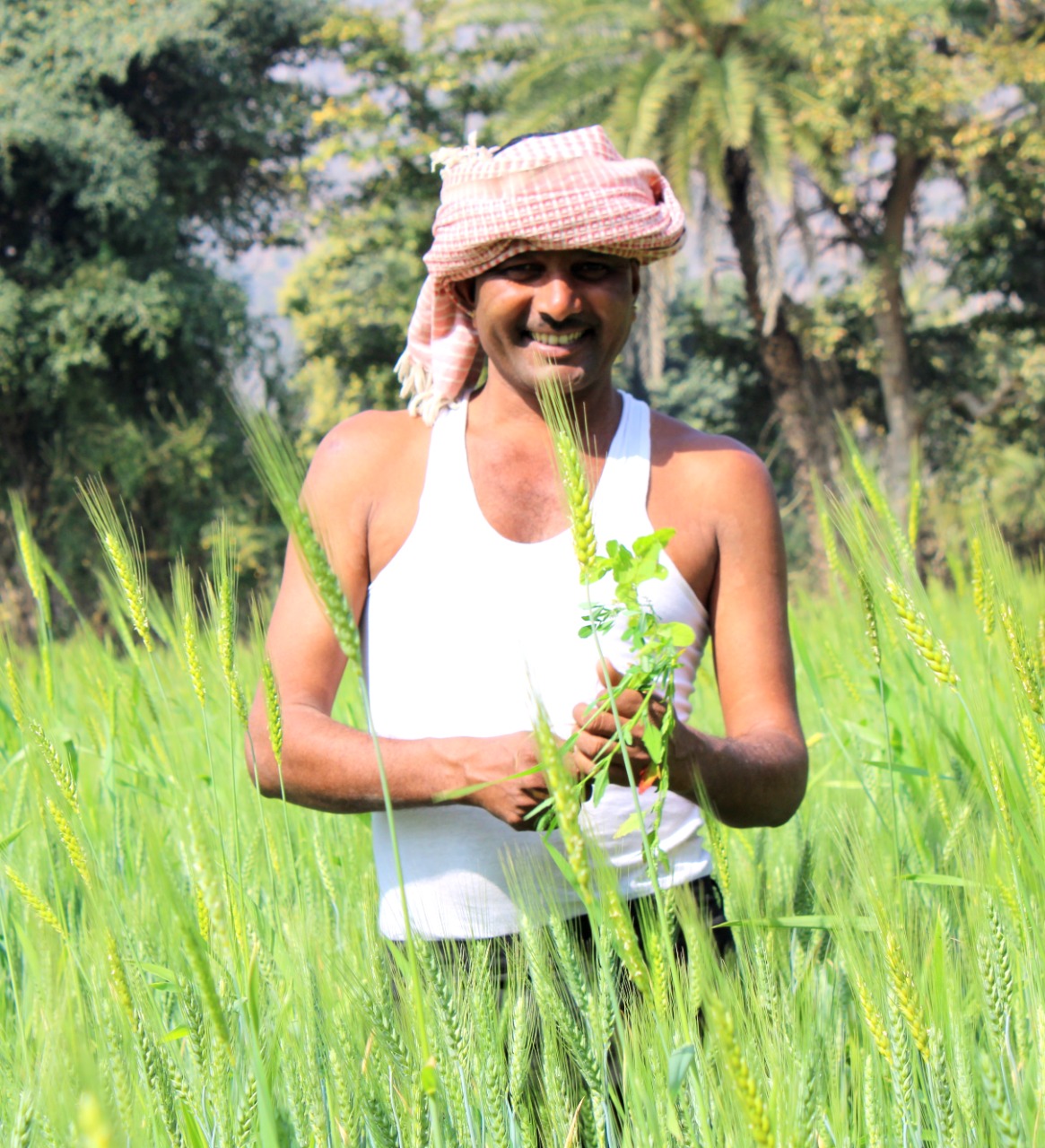
Nathu Singh is a committed farmer from Judli village in the Jhadol region, an area where farming is shaped by remoteness, limited resources, and strong dependence on nature. He has been working with Banyan Roots for the past eight years, building his livelihood entirely around agriculture along with his family.
Living in a remote part of the region, Nathu Singh and his family are fully dependent on farming for their income and food security. Eight years ago, he consciously chose the path of organic farming, believing that healthy soil and chemical-free food are the foundation of long-term sustainability. Since then, he has consistently practiced organic methods with patience and discipline.
On his land, Nathu Singh grows mung, peanut, and wheat, carefully managing his crops through traditional knowledge, family labour, and season-wise planning. His fields stand as an example of how organic farming can be sustained even in challenging, less-connected areas when supported by trust and long-term partnerships.
Nathu Singh represents the quiet strength of farmers who may not seek the spotlight but remain deeply committed to their land and values. His journey reflects Banyan Roots’ belief that meaningful impact begins by standing with farmers in remote regions and supporting families who choose sustainability as a way of life.
Gopal Singh
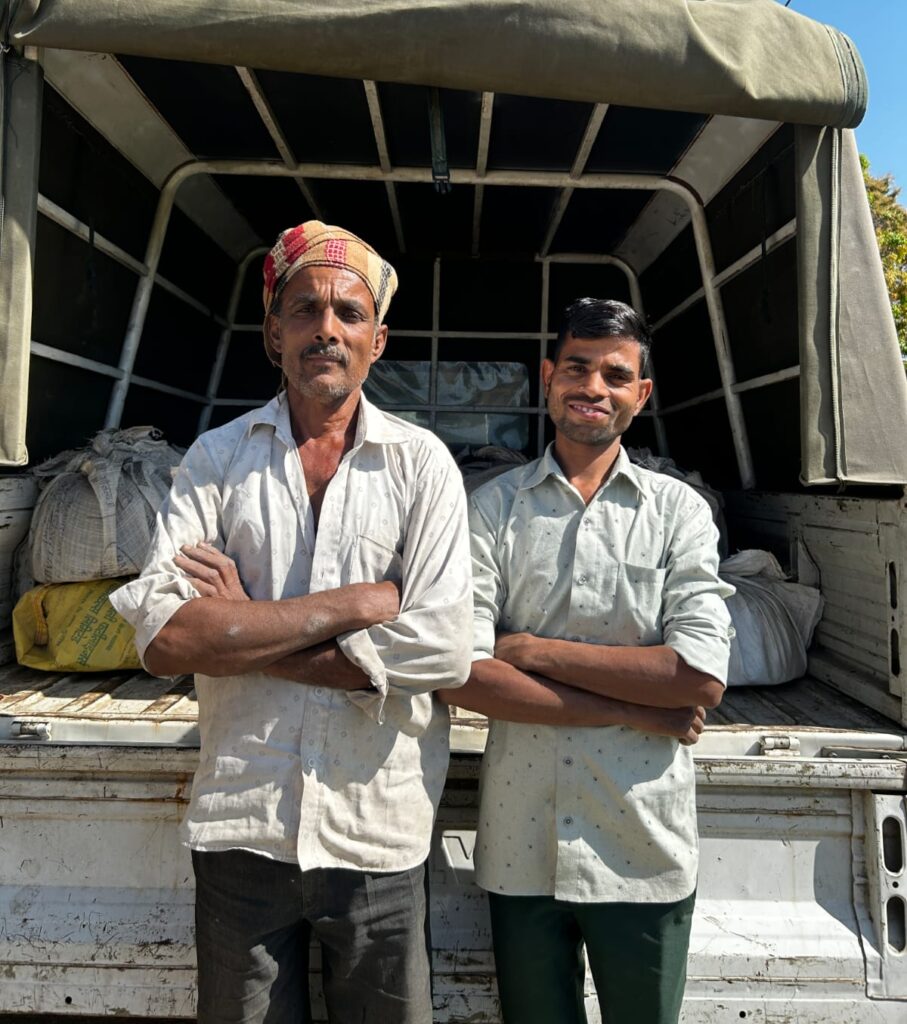
Gopal Singh is a farmer from Punawali village in the Gogunda region and one of the earliest farmers associated with Banyan Roots, with a partnership spanning 15 years. His journey represents commitment, tradition, and deep respect for the land. After the passing of his father, Gopal Singh made a life-changing decision—he left his shop job in Surat and returned to his village to take up farming full-time. This was not an easy choice, but it reflected his strong connection to his roots and his belief in agriculture as a dignified and sustainable livelihood. Even today, Gopal Singh practices organic farming using traditional methods, working his fields with the help of bullocks instead of machines. He grows sugarcane, mustard, wheat, and chana (Bengal gram), staying true to age-old farming practices. He also cultivates traditional varieties of sugarcane and prepares jaggery (gur) from it, preserving both purity and heritage. As one of Banyan Roots’ foundational farmers, Gopal Singh’s story reminds us that true sustainability lies in honoring tradition, patience, and harmony with nature. His life and work embody the values on which Banyan Roots was built—trust, continuity, and respect for farmers’ wisdom.
Mohini Devi and Mangi Lal
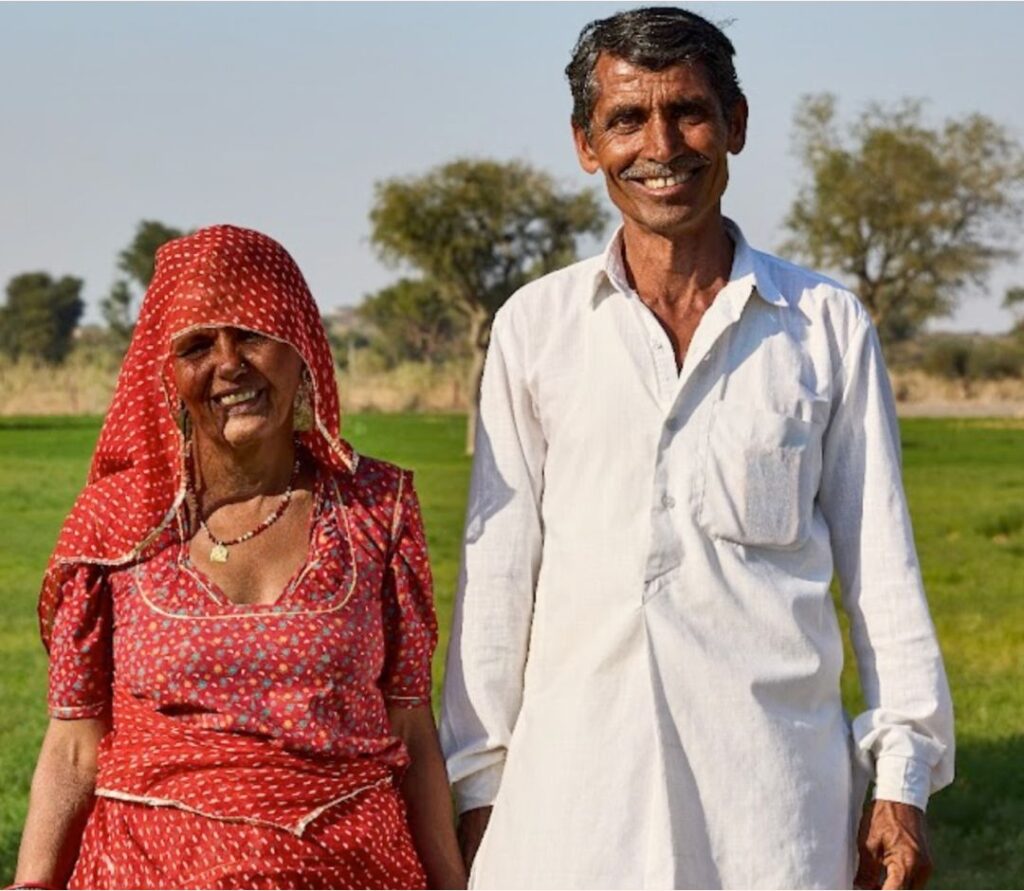
Mohini Devi and Mangi Lal are farmers from Osiyan in the Jodhpur district, cultivating land nestled between rolling sand dunes in the Thar Desert. Their farm is remote and isolated, shaped by extreme temperatures, scarce water, and challenging soil conditions. Yet, for the past six years, they have been working closely with Banyan Roots, building a partnership rooted in resilience and trust. Despite the harsh desert environment, Mohini Devi and Mangi Lal have been practicing organic farming for over eight years. Their fields grow desi bajra (pearl millet) and jeera (cumin)—crops well-suited to arid climates but demanding deep understanding and patience. Among these, organic cumin holds a special place in their hearts, grown with exceptional care and commitment. Farming between sand dunes requires constant adaptation. Every season brings uncertainty, yet they continue with determination, believing that organic methods strengthen the soil and protect future generations. Their work stands as proof that even in the most difficult landscapes, sustainable farming is possible when knowledge, faith, and hard work come together. Their story reflects Banyan Roots’ belief that true impact lies in supporting farmers in ecologically fragile and remote regions, helping them turn challenges into strength while preserving purity and tradition.